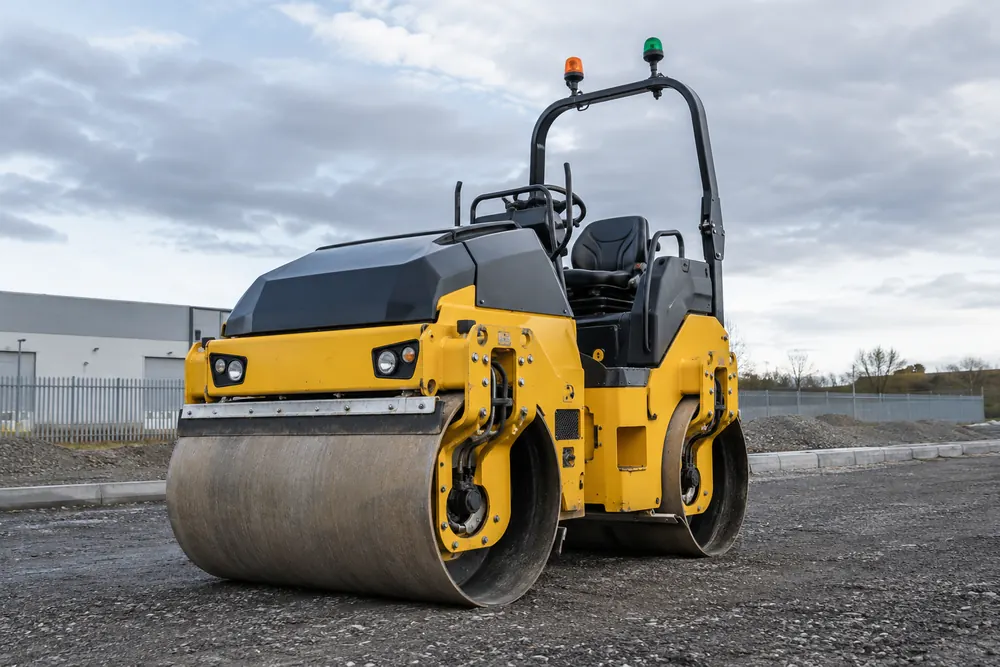
Equipment For The Task
Compaction helps prepare a stable layer before the next stage of surfacing or construction. Contractors may need a roller for a yard repair, an access route or a larger paved area. Smaller confined work can call for a plate or trench compactor instead.
The material specification comes first. Aggregate type, moisture and laid thickness affect how it can be compacted. Hiring a heavier machine does not automatically correct unsuitable material or a layer that has been placed too deeply.
We take enquiries for rollers and compaction equipment for business projects. Describe the area, material and expected finish so the quotation can identify a suitable class of equipment. Confirm machine weight and working width before arranging transport and access.
Choosing The Specification
Measure the working width and edge clearances, including any obstacles that will limit turning. A tandem roller may work well on an open area but leave narrow sections requiring a different machine. Plan those details before the final surfacing operation.
Check the ground below the layer being compacted. Underground services, voids, drainage structures and slabs can be affected by machine loading or vibration. The project team should establish any restrictions and the permitted working method.
For asphalt tasks, discuss drum type, water arrangements and the intended surface finish. For granular layers, confirm the specification with the designer or engineer. The hire supplier can identify machine characteristics, but does not replace the project’s material or compaction design.
Safety And Site Responsibilities
The Provision and Use of Work Equipment Regulations 1998 (PUWER) require suitable equipment and trained use. Check the operating instructions, safety controls and inspection arrangements before the roller is put into service.
Vibration needs assessment under the Control of Vibration at Work Regulations 2005. Hand-guided equipment can expose the operator to hand-arm vibration, while ride-on equipment can involve whole-body vibration. Consider the actual work pattern and ground condition rather than relying only on a catalogue figure.
Keep rollers away from unsupported edges and manage interaction with pedestrians and delivery vehicles. Consider noise and vibration effects on neighbouring commercial activities. If the work area changes, reassess access and separation before continuing the compaction sequence.
Your Hire, Step By Step
Send the material type, layer specification, area dimensions and planned dates. Include site access, any lifting or unloading restrictions and whether the equipment will work beside occupied premises.
Review the machine class, weight and drum width in the quotation. Confirm fuel, water supply, transport and any additional plate compactor requirement. Agree how equipment will be handed over and where it can be parked securely outside working hours.
Before use, complete the specified checks and test controls in a safe area. Follow the engineer’s compaction method and the machine instructions. Record the finished work using the project’s inspection process, then arrange return or collection through the agreed off-hire procedure.
Equipment Rates And Transport Charges
Compaction hire costs vary with roller class, duration and transport, with extra equipment or attachments priced according to the agreed package. Ask whether cleaning, fuel and any damage arrangement are separate and whether the quotation includes VAT.
A machine that is too wide or cannot unload safely can delay the whole surfacing operation. Provide accurate site measurements to avoid a replacement delivery. Confirm the hire end date against the weather-sensitive programme, and agree extensions before the equipment remains on site beyond the booked period.
Prepare The Work Sequence
Coordinate material deliveries, spreading and compaction so the roller has a clear working area when needed. Narrow corners and areas around drainage fittings may need a separate tool or a different sequence.
Discuss access for the next trade before finishing the hire. The project inspection process should confirm the completed layer is ready, rather than using the presence of a roller as evidence that the specification has been achieved.
Compaction Roller Hire Questions
Do I Need A Roller Or A Plate?
Choosing a roller or plate depends on material, working width and the specified layer construction. A roller suits many open areas, while a plate may reach confined sections. Describe the job and obtain the project’s compaction requirements before hiring, since machine selection must work with the specified material and method.
Can A Roller Work Near Buried Services?
Roller work near buried services requires a site assessment of cover, loading and vibration restrictions. Confirm service locations and any limits set by the asset owner or project designer before selecting equipment. Do not assume a small roller is safe simply because it fits the route or has been used nearby before.